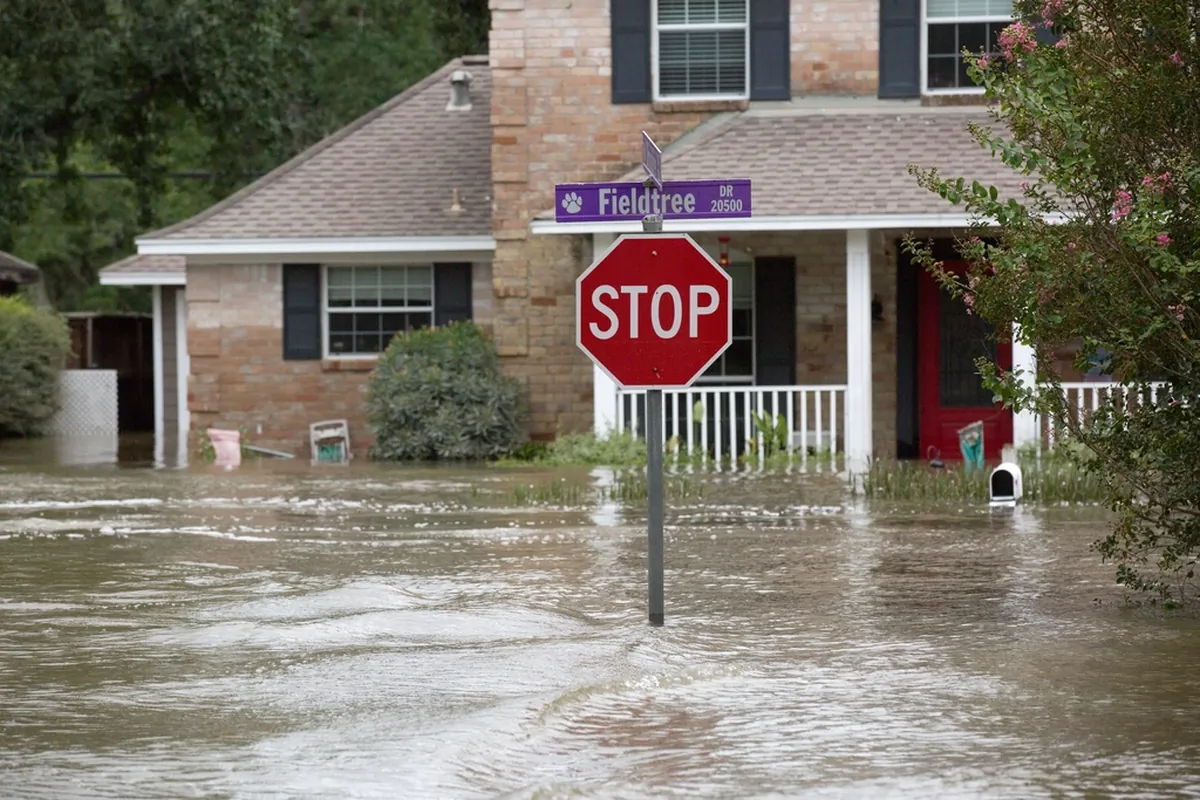
Pennsylvania doesn’t take many direct hurricane hits, but the remnants of tropical systems have shaped the state’s claim history for generations. Agnes in June 1972 sent the Susquehanna through Wilkes-Barre and Harrisburg. The remnants of Ivan flooded the Pittsburgh area in September 2004. Tropical Storm Lee soaked Bloomsburg in 2011. On September 1, 2021, the remnants of Ida pushed the Schuylkill into Manayunk and neighboring river towns while an EF2 tornado tore through Upper Dublin in Montgomery County. In August 2024, the remnants of Debby caused flash flooding in Tioga County.
Those storms share a pattern: they deliver more rain than wind, and the resulting claims turn on one question — where did the water come from?
Why the source of water matters
A standard homeowner policy excludes flood. Flood coverage comes from a separate policy, usually through the NFIP or a private flood insurer. So when water ends up in your basement or living room after tropical remnants, the insurer’s first step is to classify the water.
Usually treated as flood
- Rising rivers and creeks that overflow onto your property.
- Surface water flowing across the ground and entering through doors, windows or basement walls.
- Mudflow carried by floodwater.
Often treated as water damage under a homeowner policy
- Rain entering through an opening created by wind, such as a torn roof or broken window.
- Water from a burst pipe or failed appliance.
- Sewer or drain backup, if you bought that endorsement.
The exact wording differs between policies, and many forms limit wind-driven rain unless wind first created an opening. Read the definitions and exclusions carefully.
When one storm creates two claims
Tropical remnants often produce both kinds of damage at once. Wind can lift shingles and drive rain into an upstairs bedroom, while a nearby creek fills the basement. If you carry both homeowner and flood coverage, you may have two claims with two adjusters, two estimates and two sets of rules.
That overlap creates real valuation problems. Each insurer may try to assign shared damage — drywall, flooring, electrical work — to the other policy. Careful documentation helps: photos showing water lines, the path of roof leaks, and the order in which areas got wet. A clean record makes it easier for everyone to separate the damage.
Does flood insurance have appraisal?
NFIP policies contain their own appraisal provision, and private flood policies vary. The rules, deadlines and limits are not the same as your homeowner policy, so read each policy separately. Proof-of-loss timing under flood policies can be especially strict.
Common valuation disputes after tropical remnants
Once coverage is settled, the disagreement is usually about the amount. Typical issues include:
- Drying and mitigation charges. The number of days, equipment counts and whether antimicrobial treatment was reasonable.
- Height of drywall removal. Whether a flood cut at two feet is enough or wicking moisture required more.
- Finished basements. Many policies limit what they pay for basement finishes and contents; the scope still has to be priced correctly.
- Matching flooring. When water damages part of a continuous floor, whether adjoining areas must be replaced for a reasonable match.
- Interior roof leak damage. Ceilings, insulation and framing in older homes where wet plaster and lath are involved.
Steps to take after the water recedes
- Make the property safe and prevent further damage. Document every mitigation step with photos and receipts.
- Photograph water lines, damaged materials and contents before they are removed.
- Report the claim to every insurer that might apply — homeowner and flood — promptly.
- Get copies of every policy and note the suit-limitation and proof-of-loss deadlines.
- Keep samples of flooring, cabinets or trim where possible, for later matching discussions.
Then compare each estimate to your contractor’s scope. If the coverage is accepted but the number is low, our tropical storm remnant appraisal service and our water damage claim appraisal work focus on that valuation gap.
Deadlines still apply
After a regional storm, contractors and adjusters are stretched thin and weeks can pass quickly. Many Pennsylvania property policies require a lawsuit within one year of the date of loss, and appraisal may not pause that clock unless the policy or a written agreement says so. Flood policies carry their own deadlines. Read our guide to the one-year suit limitation and keep a calendar from the start.