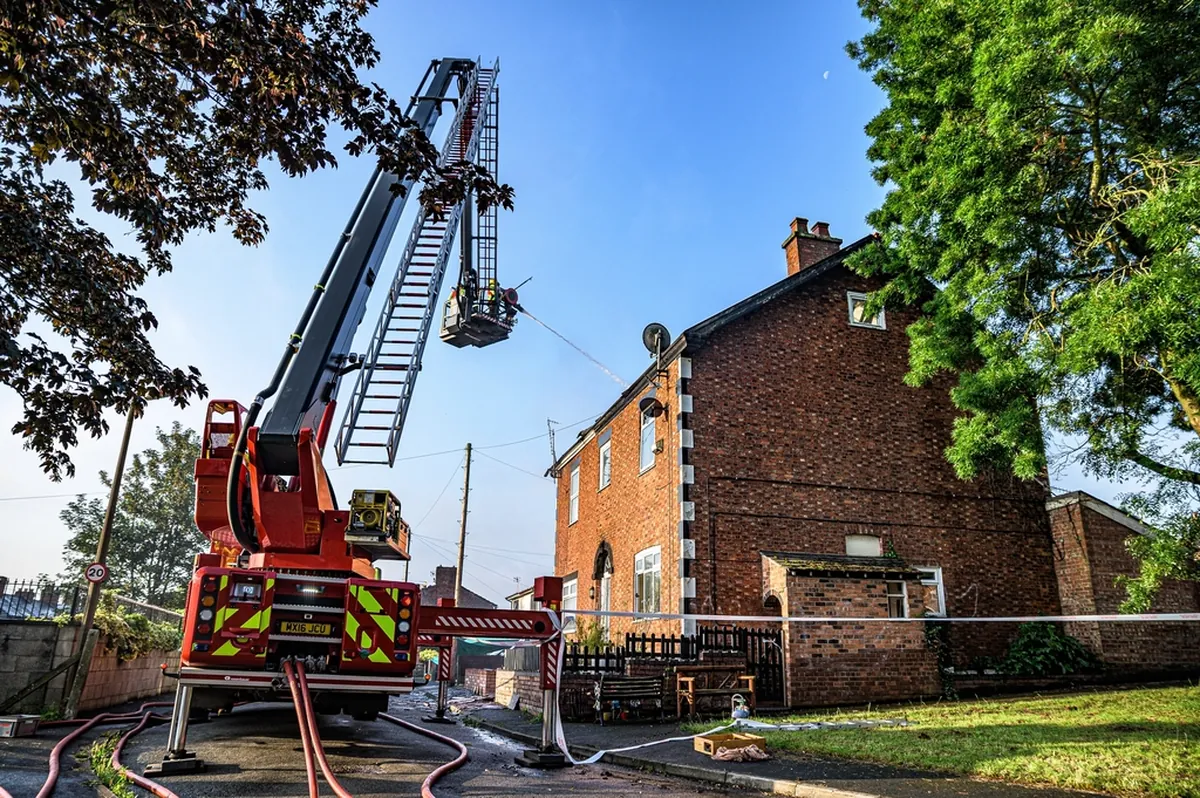
If you have just had a fire, the first priorities are safety, a secure structure and a place to stay. Appraisal comes later, once the insurer has issued an estimate and you can see where it falls short. When that moment arrives, here is what usually matters.
Smoke goes farther than the estimate
Smoke and soot move through ductwork, wall cavities and attic spaces. An estimate that cleans only the room of origin and its neighbors often misses odor in closets, residue on HVAC components and soot in insulation. Whether a surface can be cleaned and sealed or needs replacement is one of the central fire appraisal questions, and it should be answered with testing and inspection rather than assumptions.
Fire in attached homes
Rowhome blocks in Philadelphia, Reading, Harrisburg and York share walls and sometimes roof framing. A fire in one unit can char joists that bear into the party wall, push smoke into the homes on both sides and soak neighbors with firefighting water. If your home was damaged by a fire next door, your own policy typically responds to your damage. We scope it carefully, including structural ties that cross the wall line. Our Reading page touches on the city's attached housing.
Rebuilding an older structure
Code and ordinance costs
Rebuilding a significantly damaged home usually means meeting current building code: electrical service, egress windows, smoke detection and sometimes structural upgrades. Whether those costs are covered depends on the policy's ordinance or law provision and its limit.
Historic materials
Plaster walls, old-growth trim, slate roofs and stone foundations are common in Pennsylvania's older towns. Replacing like kind and quality can cost substantially more than a generic modern equivalent, and the estimate should reflect what was actually there.
Additional living expense
When a fire forces you out, most homeowner policies pay reasonable additional living expense while the home is repaired. Disputes arise over the length of the repair period and what counts as comparable housing. If the amount is the disagreement, it can be part of the appraisal.
Our approach on fire claims
- Review the insurer's structure, contents and ALE estimates.
- Inspect the property, including areas outside the burn zone where smoke traveled.
- Build a rebuild and cleaning scope priced for the local market.
- Serve as your appraiser if appraisal is demanded.
A note on timing: many Pennsylvania policies include a suit-limitation clause, commonly one year from the date of loss, and fire rebuilds can take longer than that. Talk to a Pennsylvania attorney early if a lawsuit is a possibility.
Frequently asked questions
Can appraisal decide whether smoke-damaged items can be cleaned?
The panel values the loss, which often includes deciding whether cleaning or replacement is the reasonable cost. Testing and documentation make that decision easier to support.
My neighbor's fire damaged my rowhome. Which insurer pays?
Your own property policy typically responds to damage to your home, and your insurer may then pursue the neighbor's insurer. Coverage specifics depend on your policy.
Does the panel value additional living expense?
If coverage is accepted and the disagreement is about the amount, additional living expense can be included in the appraisal.