Common local claim risks
- Flash flooding
- Mine subsidence
- Heavy snow
- Wind & fallen trees
- Frozen pipes
A city defined by its floods
Few places carry flood history like Johnstown. On May 31, 1889, the South Fork Dam failed upstream, and the wall of water that hit the city killed more than 2,200 people. The St. Patrick's Day flood of 1936 put downtown under water again. Then, in July 1977, torrential overnight rain caused flash flooding and dam failures, including the Laurel Run Dam, bringing another deadly flood to the valley.
Because of that history, many residents ask us about floods first. The answer is straightforward: flood from rising water is excluded from homeowner policies. It's covered, if at all, by a separate flood policy, usually through the NFIP, which has its own claim and appeal process. Homeowner-policy appraisal can't value flood. It can value covered damage from the same storm, like wind, fallen trees, rain through a damaged roof or a sewer backup endorsement. See our guide on flood versus water damage.
Homes on the hillsides
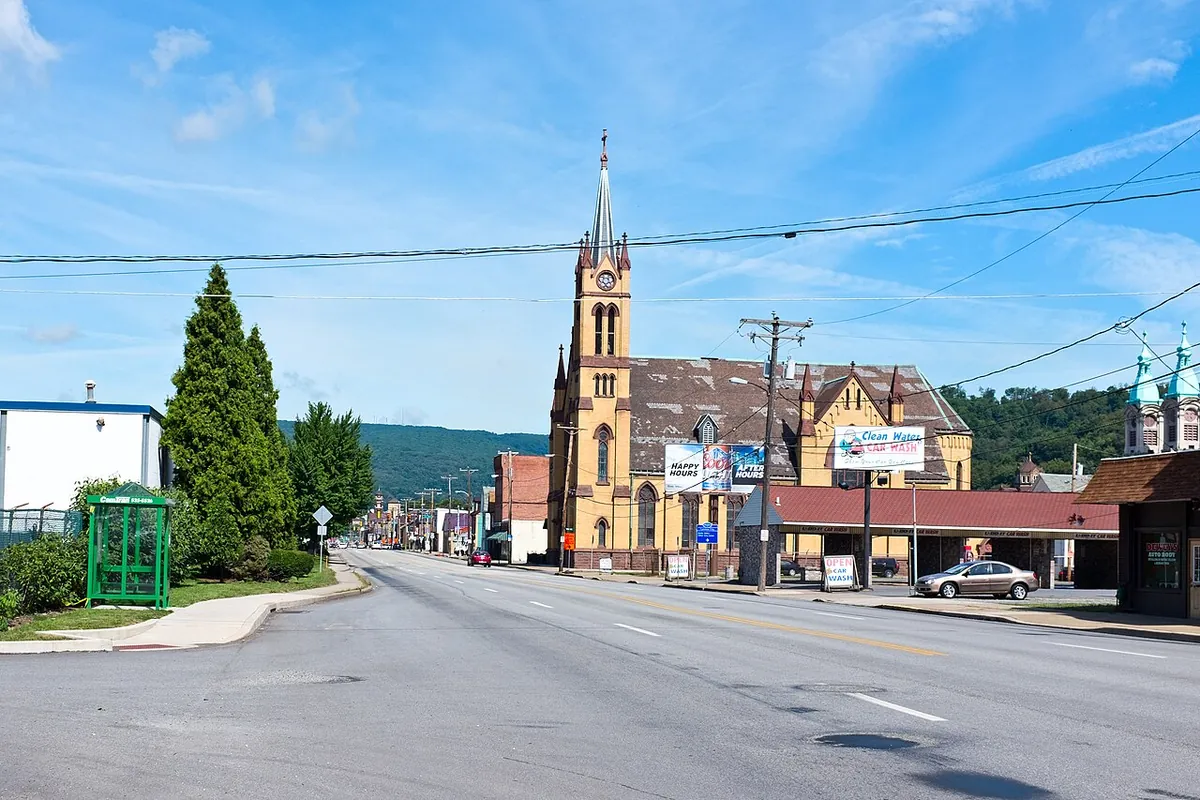
Johnstown's neighborhoods climb the steep valley walls. Downtown, Kernville, Cambria City, Hornerstown and Moxham sit lower, with brick rows and frame homes close together. Westmont, reached by the famous Inclined Plane, and Southmont, Upper Yoder, Richland Township and Ferndale sit higher, with larger homes and suburban streets. Roxbury and the West End add more frame and brick houses on sloping lots.
Hillside homes have repair challenges that flat-lot estimates miss:
- Limited access that requires extra labor, scaffolding or hand-carrying materials.
- Tall rear elevations and walkout basements with more exterior area to repair.
- Retaining walls and steps, which many policies exclude or limit.
- Drainage problems that turn a roof leak into a basement water loss.
Coal country underground
Cambria County has a long coal-mining history, and old workings lie beneath parts of the area. Mine subsidence can crack foundations and walls as the ground settles. Standard homeowner policies usually exclude earth movement, including mine subsidence, but the Pennsylvania Department of Environmental Protection's Mine Subsidence Insurance program offers separate coverage. Our guide to mine subsidence and your policy explains how the two fit together. If a carrier denies coverage, talk to a Pennsylvania attorney; appraisal settles amounts, not coverage questions.
Weather in the Alleghenies
Johnstown sits in the Allegheny Mountains, where winters bring heavy snow and long freezes. Ice dams, snow load on porches and garages, and frozen pipes are common claims. Summer storms bring wind and fallen trees, and steep wooded lots put many homes in the path of falling limbs. Our windstorm appraisal and ice dam and frozen pipe appraisal services cover these losses.
When the numbers don't match
If your carrier's estimate leaves out access costs, undervalues older materials or skips part of the damage, we can prepare an independent estimate and compare the two. If the disagreement is about the amount of loss and your policy includes an appraisal clause, we can represent you. Keep track of deadlines: many Pennsylvania policies require suit within one year of the loss.
Services available in Johnstown
Every Pennsylvania Insurance Appraiser service is available to property owners in Johnstown and the rest of Cambria County, including:
- Appraisal Demand Representation
- Homeowner Claim Appraisal
- Commercial & HOA Appraisal
- Roof & Hail Damage Appraisal
- Wind & Tornado Appraisal
- Tropical Storm Remnant Appraisal
- Water Damage Claim Appraisal
- Fire & Smoke Damage Appraisal
Questions from Johnstown property owners
Does my homeowners policy cover flash flooding in Johnstown?
No. Flood from rising surface water is excluded under homeowner policies and is handled through a flood policy such as NFIP. Covered damage from the same storm, like wind or roof leaks, can still be claimed and appraised.
Why does my hillside repair cost more than the adjuster's estimate?
Steep lots often need extra labor, scaffolding and hand-carried materials. Those access costs are real and belong in a fair estimate.