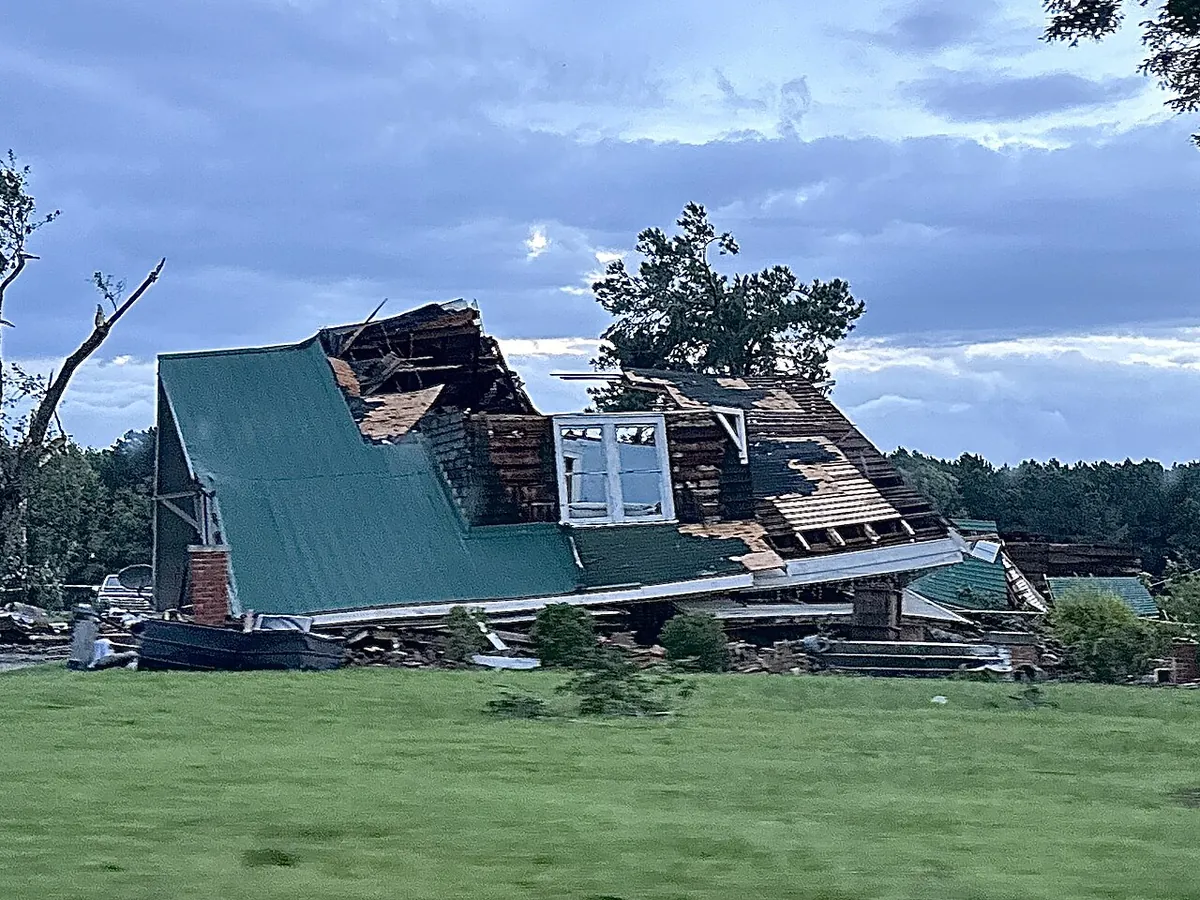
On May 31, 1985, a tornado outbreak crossed western Pennsylvania, including an F5 that struck the Wheatland area of Mercer County and an F4 near Albion, with damage that reached into Moshannon State Forest. More recently, the remnants of Ida produced an EF2 tornado in Upper Dublin, Montgomery County, on September 1, 2021. Those events are rare, but ordinary thunderstorm wind damages Pennsylvania properties every year.
Kinds of wind loss we appraise
- Thunderstorm and straight-line wind that peels shingles, strips siding and topples chimneys.
- Fallen trees on roofs, porches, garages and fences, a constant in wooded areas from the Poconos to the Laurel Highlands.
- Tornado damage ranging from partial roof loss to structures that must be rebuilt.
- Wind-driven rain entering through openings the storm created.
- Outbuildings and farm structures such as pole barns, bank barns and equipment sheds.
Where the numbers usually split
Siding
An insurer may price replacement of the torn panels on one wall. If the original siding is discontinued or faded, a patch may not reasonably match. How far the replacement extends depends on the policy and the facts, and it is one of the most common wind appraisal disputes.
Roof uplift
Wind can break the seal strips on shingles without tearing them off. Those unsealed shingles may look intact from the ground but fail the next time the wind blows. Documenting them takes a hands-on inspection.
Tree removal and debris
Policies often treat tree removal differently depending on whether the tree hit a covered structure. Limits can be modest. We separate removal, structural repair and debris haul-off so each item can be evaluated against the policy.
Severe losses and rebuilding
When a tornado or a large tree destroys most of a structure, the dispute often turns into a rebuild valuation. Building code and ordinance requirements, demolition, debris removal and temporary protection all affect the number. An older home in Johnstown or a farmhouse in Mercer County may have to be rebuilt to current code, and whether that cost is covered depends on the policy's ordinance or law provisions.
Keep coverage and timing straight
Appraisal sets the amount of loss, not whether the damage is covered. If the insurer says the damage came from wear rather than wind, that may be a coverage disagreement first. And because many Pennsylvania property policies include a suit-limitation clause, commonly one year from the date of loss, talk to a Pennsylvania attorney early if the claim may end up in court. Our Johnstown page covers more of western Pennsylvania's storm history.
Frequently asked questions
Does my policy cover a neighbor's tree that fell on my house?
Generally, damage to your covered structure from a fallen tree is handled under your own policy regardless of whose tree it was. Tree removal limits and conditions vary, so check your policy wording.
Is tornado damage handled differently from other wind damage?
Most homeowner policies treat tornado damage as windstorm damage. The difference is usually the scale of the loss, which often brings code upgrades and rebuild costs into play.
Can appraisal decide whether damage was caused by wind or by age?
It depends on your policy wording and how Pennsylvania courts view the specific dispute. Some panels address causation as part of valuation, but pure coverage questions generally fall outside appraisal.