Common local claim risks
- River & tropical remnant rain
- Mine subsidence
- Ice dams & snow load
- Frozen pipes
- Wind & fallen trees
Two storms the valley remembers
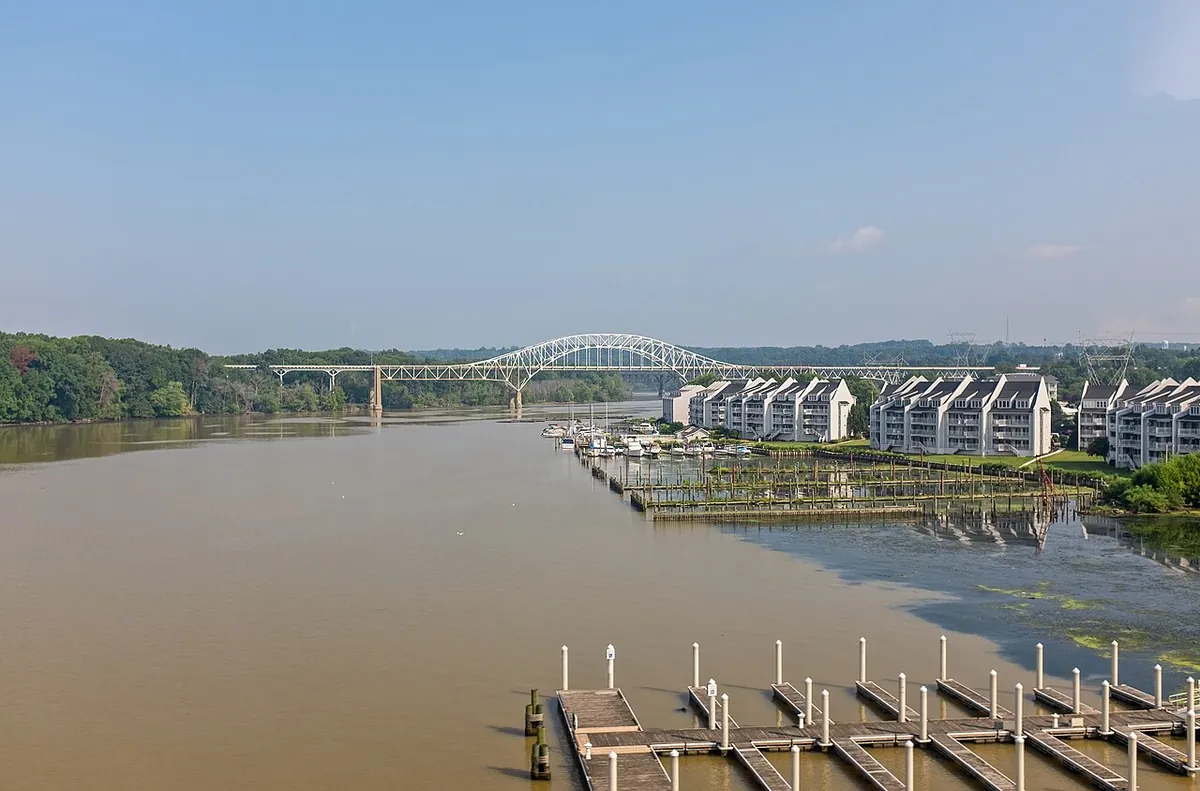
In June 1972, Agnes pushed the Susquehanna over the levees and into downtown Wilkes-Barre, Kingston, Forty Fort and neighboring communities. Thousands of homes were damaged, and the recovery took years. Afterward, the levee system was raised and strengthened. In September 2011, Tropical Storm Lee sent the river to an even higher crest, and this time the levees protecting Wilkes-Barre and the West Side held, though communities outside the system, including West Pittston, flooded badly.
Those floods still shape how residents buy insurance. Flood from rising water is excluded from homeowner policies and is covered, if at all, by a separate flood policy, usually through the NFIP, which has its own claim and appeal process. Homeowner-policy appraisal can't value flood. It can value covered damage from the same storm, such as wind, rain through a damaged roof or a sewer backup endorsement. Our tropical storm remnant appraisal service starts by separating those pieces.
Housing in the valley
Wilkes-Barre's neighborhoods are dense and old. The Heights, South Wilkes-Barre, Parsons, Miners Mills and North End have frame homes and double blocks, the side-by-side two-family houses found throughout the coal region. Near the river and the colleges, larger Victorian homes line the older streets. Across the river, Kingston, Edwardsville and Plymouth share the same mix, while Plains Township, Hanover Township and Nanticoke add postwar homes and newer subdivisions.
What we see in these homes
- Shared roofs on double blocks, where two owners or a landlord and tenants are involved.
- Slate, wood siding and plaster priced as cheaper modern materials.
- Basement water losses where the cause, whether seepage, backup or a burst pipe, decides coverage.
- Porch and balcony damage hidden behind trim and decking.
Old mines underfoot
Luzerne County sits over the northern anthracite field, and old mine workings run under much of the area. When those voids collapse, the ground above can settle, damaging foundations and walls. Standard homeowner policies usually exclude earth movement, including mine subsidence, but the Pennsylvania Department of Environmental Protection's Mine Subsidence Insurance program offers separate coverage. Our guide to mine subsidence and your policy explains the basics, and coverage denials are a question for a Pennsylvania attorney.
Northeastern winters
Snow and ice are routine here. Ice dams form along the eaves of steep frame houses, heavy snow loads porch and garage roofs, and cold snaps freeze pipes in exterior walls and unheated additions. These claims are often underpaid on the details: wet insulation left in place, flooring that can't be dried, roof edges that need repair to prevent the next leak. Our ice dam and frozen pipe appraisal service handles those disputes.
Getting a second look
If you've received an estimate that won't cover the repair, we can review it and prepare our own. When the difference is about the amount of a covered loss and your policy includes an appraisal clause, we can represent you through the process.
Services available in Wilkes-Barre
Every Pennsylvania Insurance Appraiser service is available to property owners in Wilkes-Barre and the rest of Luzerne County, including:
- Appraisal Demand Representation
- Homeowner Claim Appraisal
- Commercial & HOA Appraisal
- Roof & Hail Damage Appraisal
- Wind & Tornado Appraisal
- Tropical Storm Remnant Appraisal
- Water Damage Claim Appraisal
- Fire & Smoke Damage Appraisal
Questions from Wilkes-Barre property owners
The levees held in 2011, but my basement still flooded. Is that covered?
It depends on how the water got in. Rising surface water is flood and excluded under homeowner policies. Water from a sewer backup may be covered if you have that endorsement, and a burst pipe is usually covered. The cause matters.
Do I need mine subsidence insurance in Luzerne County?
Much of the county sits over old mines, and standard policies usually exclude mine subsidence. The DEP's MSI program offers separate coverage, and many homeowners in the valley carry it.